Get Touch
>>
Content
Two fasteners can sit side by side in the same bin and still perform completely different jobs. A self-drilling screw carries a drill point that cuts its own hole in metal, while a self-tapping screw relies on a tapered point and hardened threads to form a thread in a hole that is usually created first. The gap between the two families shows up in three practical places: the geometry of the point, the need for a pilot hole, and the number of operations it takes to drive a single screw.
This guide compares them on those three points, then adds a short note on hardness and materials, because the reason a screw can drill through steel at all comes down to heat treatment rather than to the shape of the head.
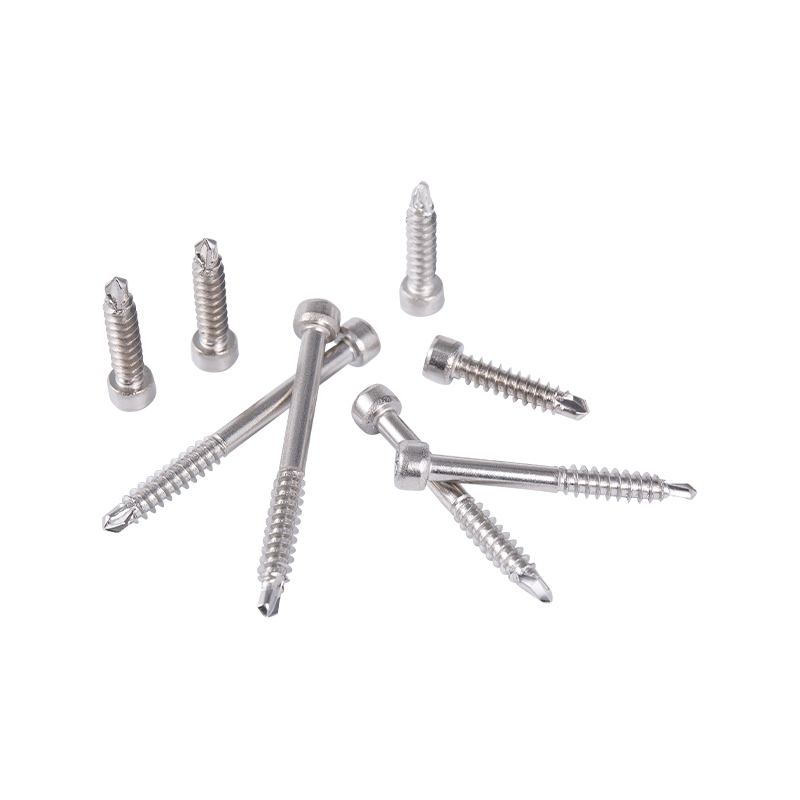
A self-drilling screw is formed with a drill point on the end of the shank. The flutes on that point cut and clear material, and the threads immediately behind it engage the freshly drilled wall of the hole and form the mating thread. Because the point has to cut steel, it is case hardened, while the body of the screw remains tough enough to absorb driving torque without snapping.
A self-tapping screw has a sharper, more gradual point and no drill flutes. It does not remove a full hole the way a drill bit does; it displaces or cuts a thread as it turns. In metal, that means a hole must already exist. In wood, particleboard, and many plastics, the material is soft enough that the screw can start on its own without any preparation at all.
Point geometry is a specification, not a decoration. It answers two questions: whether the screw can start on its own, and how much total material thickness it can pass through in a single pass.
Drill points are graded by length, from a short #1 point up to a long #5 point and beyond. The longer the point, the thicker the material it can drill, but the less thread remains engaged in thin sheet, so the joint becomes weaker. Match the point rating to the total thickness of the stack and choose the shortest point that will do the job.
| Drill point | Approximate drilling capacity | Where it works best |
|---|---|---|
| #1 | 0.9 mm to 1.6 mm of metal | Thin sheet, light brackets, ducting |
| #2 | 1.6 mm to 3.2 mm of metal | General sheet metal work |
| #3 | 3.2 mm to 4.8 mm of metal | Metal to metal assemblies |
| #4 | 4.8 mm to 6.4 mm of metal | Heavier gauge sections |
| #5 | 6.4 mm and above | Stacked and structural steel |
Some self-drilling screws add wings behind the drill point. On composite assemblies the wings ream out the top layer, such as wood sheathing or insulation, and then snap off when the screw reaches the metal below, allowing the thread to bite into the structural layer.
 Hex Head Flange Self Drilling Screw 5# TailFor heavy-duty metal fastening, this hex flange self-drilling screw has an extended 5# drill point and Dacromet-coated SUS410 for thicker stacks.View Product →
The self-tapping family uses a different set of point names, and each one suits a different substrate:
For self-drilling screws, a pilot hole is usually unnecessary as long as the total metal thickness stays within the point rating. The exceptions matter on the shop floor. Stainless steel work hardens quickly, so a drill point can rub instead of cut and burn out before it breaks through. Stacked or heavy sections often respond better to a pilot hole or to a longer point. The behavior of stainless grades in particular is examined in this article on stainless steel self-drilling screws and predrilling.
For self-tapping screws, the pilot hole is the specification. In metal, a sensible starting point is a hole close to the root diameter of the screw, so there is material for the thread to cut into without the body of the screw being forced. In wood, the pilot hole is normally sized somewhere between the root diameter and the major diameter, with larger holes recommended near edges and in dense hardwoods. Stainless self-tapping screws benefit from a lubricant or a little wax, since galling and snapping are both common in dry stainless to stainless contact.
An undersized hole raises driving torque and can shear the head off the shank. An oversized hole reduces thread engagement, and the joint loosens under vibration. When a specification is uncertain, drive one screw into an offcut before committing to a production run.
Speed comparisons go wrong when they focus only on how long one screw takes to drive. The real variable is how many times the operator changes tools or repositions the workpiece.
For a self-drilling screw in metal, drilling and fastening happen in a single step. For a self-tapping screw in the same metal, the hole has to be drilled first, and that doubles the tool time before threading even begins. In wood, board, and plastic, the calculation reverses: a sharp-pointed self-tapping screw usually starts immediately and needs no pilot hole, so it often wins the race on softer materials.
In metal, installation speed is decided by the number of tool changes. In wood and board, it is decided by how fast the point bites and how well the head seats.
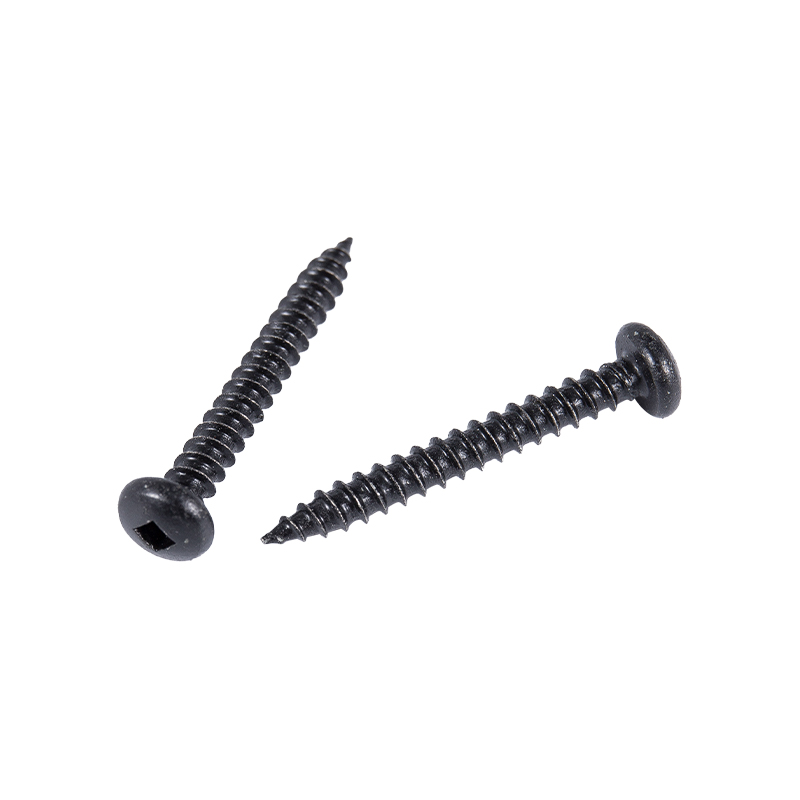 Pan Head Sharp Point Self-Tapping ScrewsFor pre-drilled metal or softer materials, these pan head self-tapping screws cut threads without a separate tapping operation and come in multiple materials.View Product →
The reason a screw can drill through steel is metallurgical. Drill points are typically produced from case-hardening carbon steel such as C1022A, where the surface is hardened enough to cut while the core stays ductile. A martensitic stainless grade such as SUS410 offers a similar combination of point hardness with better corrosion resistance, which is why stainless self-drilling screws are normally made from it. Austenitic grades such as SUS304 and SUS316 resist corrosion far better but cannot be hardened to a cutting edge, so they are used for self-tapping and machine screws rather than for drill points.
Finishes follow the environment: zinc plating and phosphate coatings for general service, and bonded EPDM or neoprene washers where the joint also has to keep water out. Jiaxing Zhongke builds both fasteners and industrial heat treatment equipment, so hardening, cleaning, screening, and salt spray testing sit inside the same production chain instead of being bought in from outside.
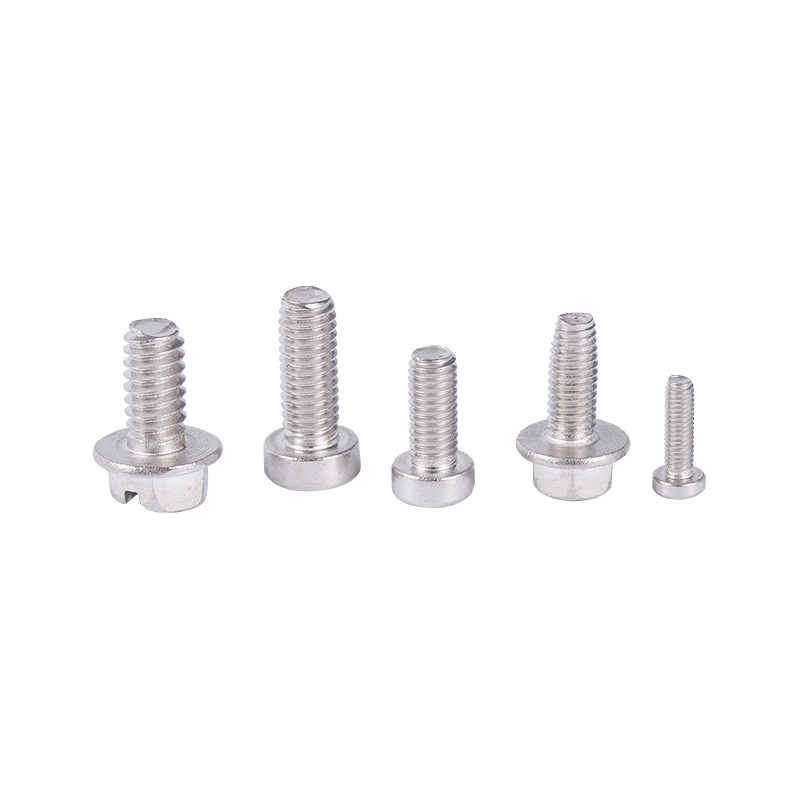 Flat Tail Self-Tapping Screws for Blind HolesAvailable in C1022A and stainless steel, these flat-tail self-tapping screws suit blind holes and bottoming applications where a sharp point could damage components.View Product →
Use the table below as a starting point, then confirm the choice with a test piece in the actual material.
| Substrate | Screw type | Pilot hole | Speed note |
|---|---|---|---|
| Thin sheet steel, up to 1.6 mm | Self-drilling, #1 or #2 point | Not required | Fastest option, single operation |
| Heavier steel, 3 mm and above | Self-drilling, #3 to #5 point | Usually not required | Fast, but demands higher torque |
| Hardwood | Self-tapping, Type 17 | Recommended, near root diameter | Moderate, prevents splitting |
| Softwood | Self-tapping, sharp point | Usually optional | Very fast, no preparation |
| Chipboard and MDF | Chipboard screw, Type 17 point | Optional | Fast, leaves a clean surface |
| Gypsum board to steel stud | Drywall screw, fine point | Not required | Very fast with an auto-feed tool |
| Plastics and light alloys | Thread-cutting self-tapping | Recommended | Moderate, controls stress cracking |
No. Self-drilling is a specialized branch of the wider self-tapping family. A self-drilling screw both drills and taps, while a self-tapping screw only taps a thread into a hole that already exists.
In most thin metals, no, provided the total thickness falls inside the point rating. In stainless steel, or when two heavy plates are stacked, a pilot hole or a longer drill point reduces friction, heat, and the risk of snapping the screw.
It depends on the material. In metal, self-drilling screws remove the drilling step and save the most time. In wood, board, and plastic, a sharp-pointed self-tapping screw usually drives straight in with no preparation and is often quicker overall.
Match the rated capacity of the point to the total thickness of everything the screw must pass through, and no more. A point that is longer than necessary leaves less thread engaged in the final layer and weakens the connection.
Generally not. A sharp point may start in very thin sheet, but forming a thread in thicker steel will strip the material or shear the screw. Drill a pilot hole, or switch to a self-drilling screw with the correct point.
Point type, pilot hole practice, and installation speed all come back to one decision: what the screw has to pass through first. Thin sheet metal favors a self-drilling screw with a short point. Wood, board, and plastics favor a sharp or Type 17 self-tapping point. Structural connections that use a nut and a hardened washer favor a flat tail or blunt screw that simply clamps the assembly together.
Jiaxing Zhongke manufactures self-drilling screws, sharp-tail and flat-tail self-tapping screws, machine screws, chipboard screws, drywall screws, bolts, and matching washers and nuts, and offers non-standard heads, coatings, and surface treatments on request. To discuss specifications, point ratings, or samples for a specific assembly, contact the team with the material stack and driving method you plan to use.
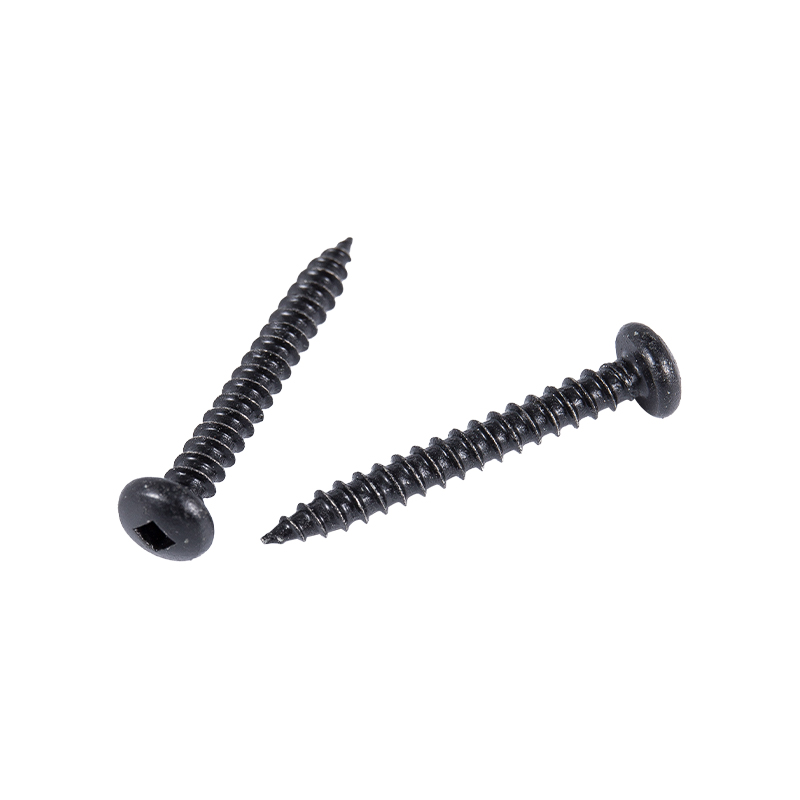
Pan head sharp point self-tapping screws are a type of fastener widely used in c...
See Details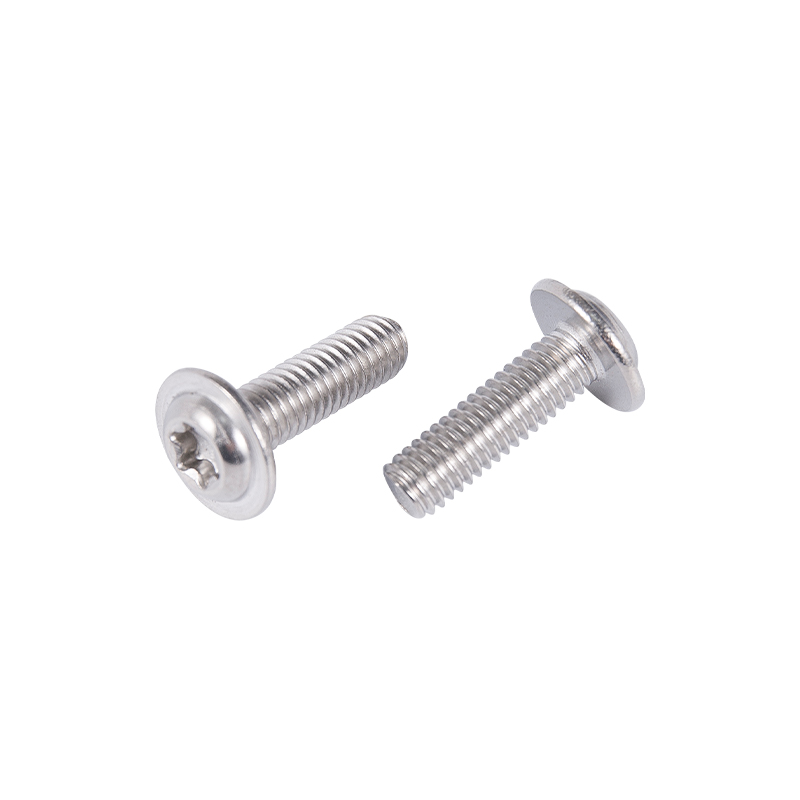
Pan head machine screws are well designed and have superior performance, suitabl...
See Details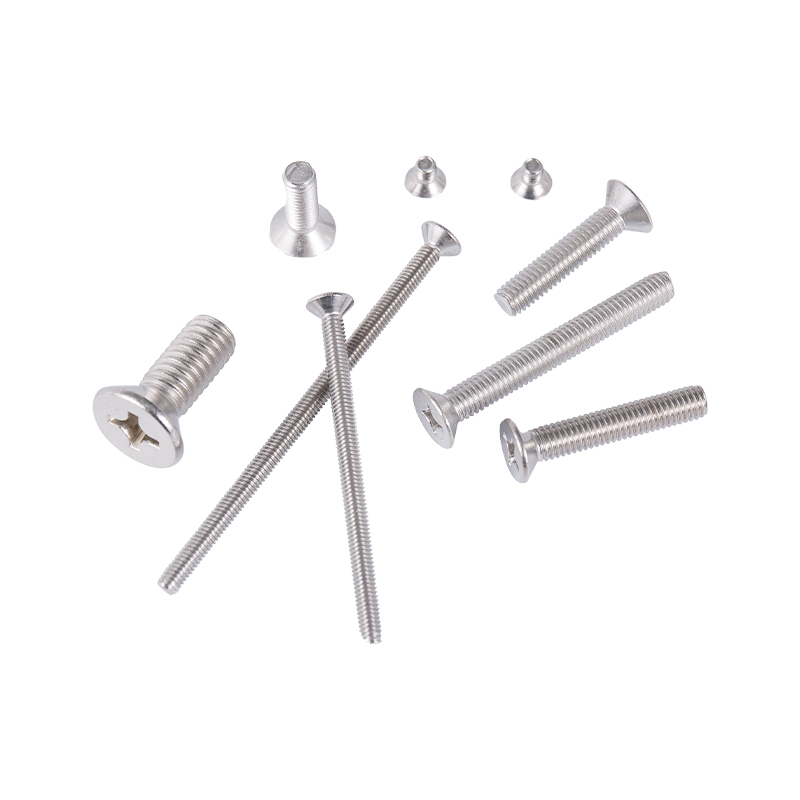
Countersunk machine screws are widely used in machinery, furniture, electronics ...
See Details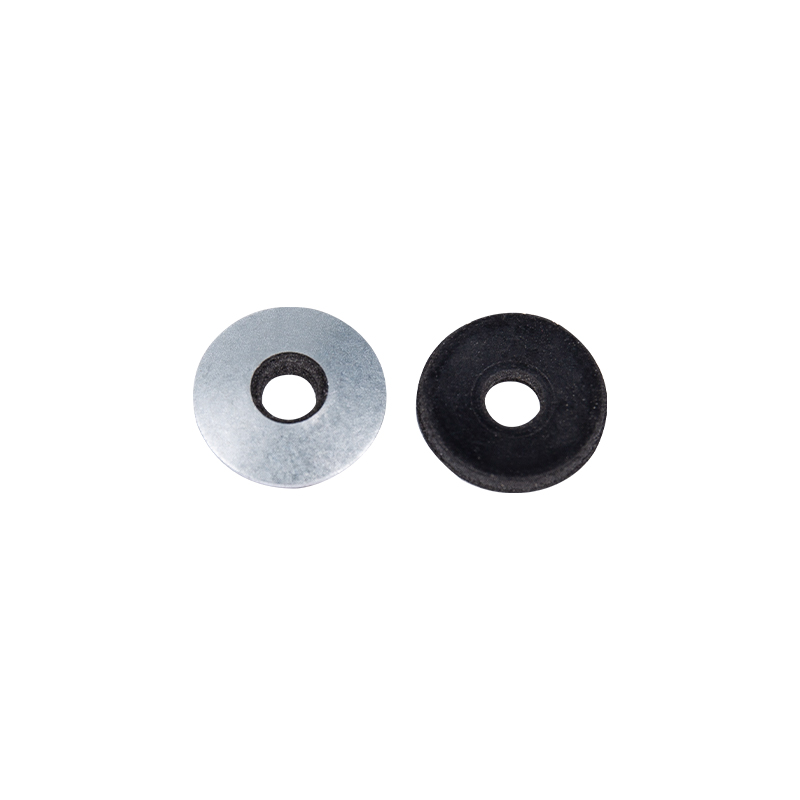
Monomer gaskets and conjoined gaskets are two types of sealing materials widely ...
See Details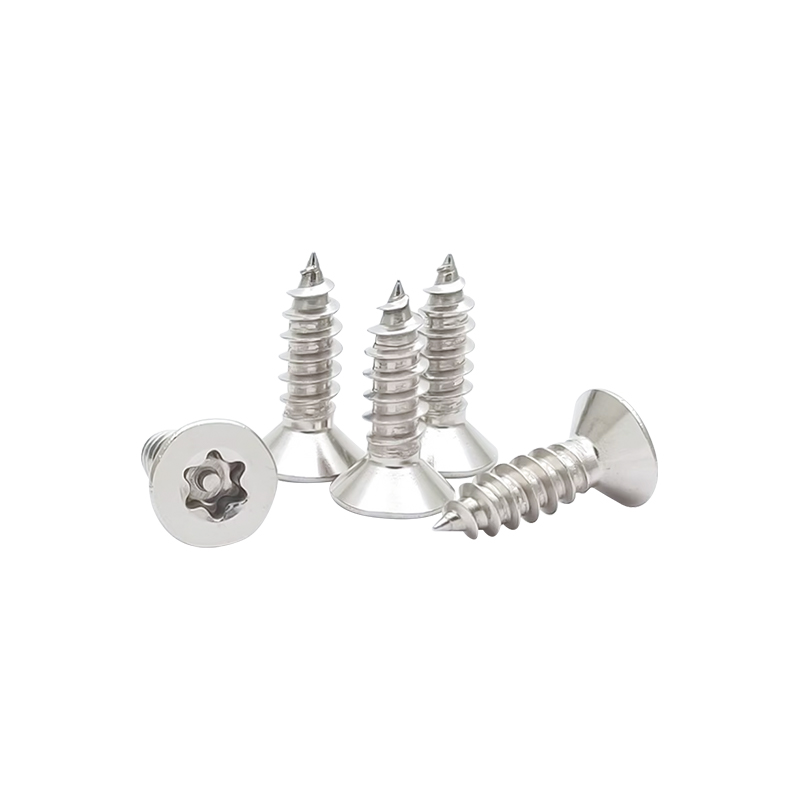
The CSK Head Six Lobe Tamper-Proof Self-Tapping Screw features a tamper-resistan...
See Details+86-13705735391
+86-18868359082
+86-573-83128088
+86-573-83128123
No. 2155, Shuanglong Road, Nanhu District, Jia Xing City, Zhejiang Province
Copyright © Jiaxing Zhongke Metal Technology Co.,Ltd. All Rights Reserved.Custom High Strength Stainless Steel Fasteners Manufacturers Provider

 English
 Español
 عربى