English
 Español
 عربى
عربى


Flat Washer Spring Lock Washer
Cat:Metal Washer
Flat washers and spring washers are fastener accessories widely used in industry...
See Details


Content
Selecting the right stainless steel metal washer is a critical decision that impacts the integrity, longevity, and safety of your assembly. While they may seem like simple components, a wrong choice in material or size can lead to catastrophic failure, corrosion damage, and costly rework. This comprehensive guide is designed to empower engineers, procurement specialists, and fabricators with the deep technical knowledge needed to make an informed decision, ensuring your project stands the test of time and environment.
A stainless steel metal washer is a precision-engineered disk with a hole, typically placed under a nut or bolt head. Its primary functions are fundamental to mechanical design:
This section breaks down the key selection criteria, transforming complex specifications into actionable intelligence for your procurement process.
Correct sizing is non-negotiable for achieving optimal performance. An undersized washer can be pulled through the material, while an oversized one may not fit the assembly. The following chart outlines standard dimensions for quick reference. Always cross-reference with detailed engineering drawings for critical applications.
| Nominal Washer Size (For Bolt Size) | Inner Diameter (ID) mm | Outer Diameter (OD) mm | Thickness mm |
| M5 | 5.3 | 10 | 1.0 |
| M6 | 6.4 | 12 | 1.6 |
| M8 | 8.4 | 16 | 1.6 |
| M10 | 10.5 | 20 | 2.0 |
| 1/4" | 6.7 | 12.7 | 1.2 |
For specialized requirements, manufacturers like Bossard Group or Accurate Manufacturing offer custom-sized washers with certified material traceability.
The choice between 304 and 316 stainless steel is primarily a function of the operating environment. Both are austenitic grades, offering excellent toughness and durability. The key differentiator is the addition of Molybdenum in 316, which dramatically enhances its resistance to chlorides and industrial solvents.
| Property | 304 Stainless Steel | 316 Stainless Steel |
| Chemical Composition | 18% Chromium, 8% Nickel | 16% Chromium, 10% Nickel, 2% Molybdenum |
| Corrosion Resistance | Excellent resistance to a wide range of atmospheric and chemical environments. Prone to pitting in chloride-rich settings. | Superior resistance to chlorides (e.g., saltwater) and acidic conditions. Ideal for marine and chemical processing applications. |
| Cost & Application | More economical. The standard choice for most indoor, non-aggressive environments. | Higher cost. The premium choice for harsh environments, offshore platforms, and coastal architecture. |
Standard washers are not designed to handle the immense clamping forces and pre-loads of structural bolting. A heavy duty stainless steel washer for structural bolting is characterized by its greater thickness, larger bearing surface area, and higher hardness. These washers are engineered to:
Their use is mandatory in critical structures like steel-framed buildings, bridges, and heavy machinery where joint integrity is paramount to safety.
Finalizing your specification requires a balance between performance requirements and budgetary constraints. Understanding total cost of ownership, not just initial price, is key.
The stainless steel washer price per pound is a common metric in bulk procurement, heavily influenced by global nickel and chromium markets. However, several other factors directly impact your final quote:
Galling, or cold-welding, is a common challenge when assembling stainless steel fasteners and washers. Under high pressure and friction, the protective oxide layer can break down, causing the underlying metals to fuse together. To effectively prevent galling, a multi-pronged approach is recommended:
Here are answers to the most frequently asked technical questions about stainless steel washers, based on current search trends and industry inquiries.
Flat washers and spring washers serve fundamentally different purposes. A stainless steel metal washer of the flat type is designed for load distribution and surface protection. A spring washer, such as a Belleville or split lock washer, is specifically engineered to provide a spring force that resists loosening from vibration. They are often used in tandem: the flat washer protects the surface, and the spring washer locks the nut in place.
Yes, but with caution. Using a stainless steel washer with a carbon steel bolt can help mitigate galvanic corrosion on the connected material's surface. However, the carbon steel bolt itself remains highly vulnerable to corrosion. In corrosive environments, this is not a recommended long-term solution. For best durability, it is advisable to use a full stainless steel fastener system (bolt, nut, and washer).
Identifying the grade visually is challenging. For non-critical applications, a magnet test can offer a clue (austenitic grades like 304 and 316 are generally non-magnetic or slightly magnetic). However, for guaranteed material integrity, the only reliable method is to consult the material certification from the supplier or manufacturer, such as Bossard Group, which provides full traceability. Some high-grade washers may also be laser-marked with their material code.
Both 304 and 316 stainless steel washers perform well in a wide temperature range. For continuous service, 304 is generally rated up to 870°C (1600°F), while 316 can be used up to 800°C (1470°F). It's important to note that prolonged exposure to temperatures in the 425-860°C (800-1580°F) range can sensitize them and lead to carbide precipitation, reducing corrosion resistance. For high-temperature applications, specific stabilized grades should be considered.
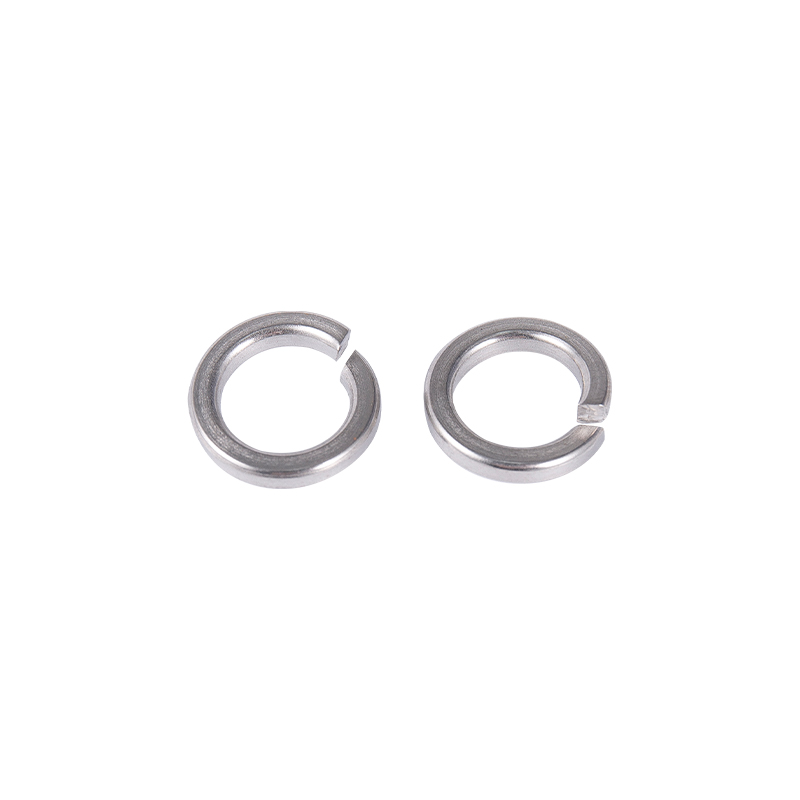
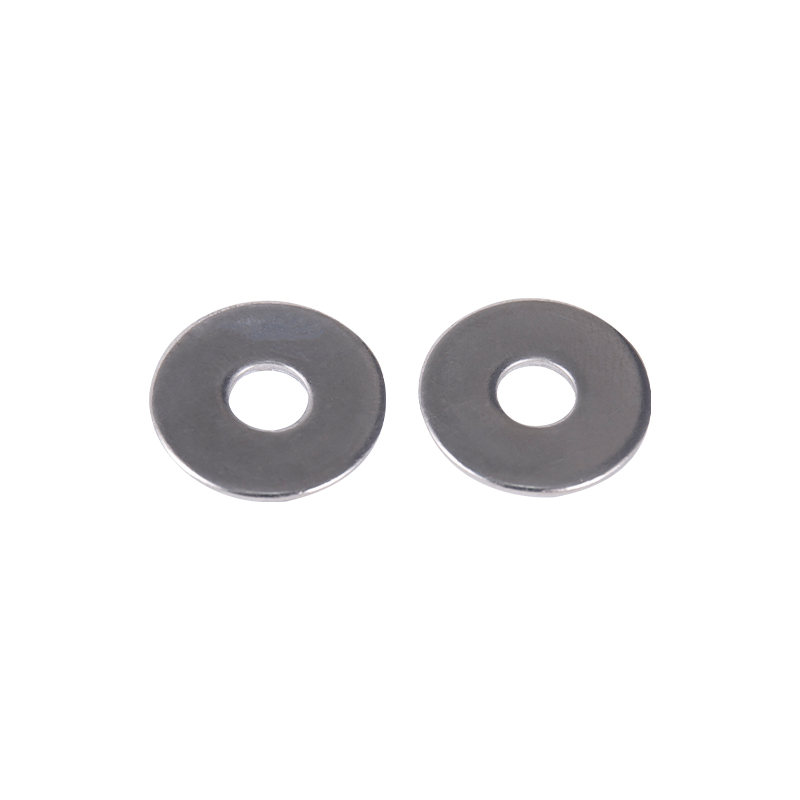
Flat washers and spring washers are fastener accessories widely used in industry...
See Details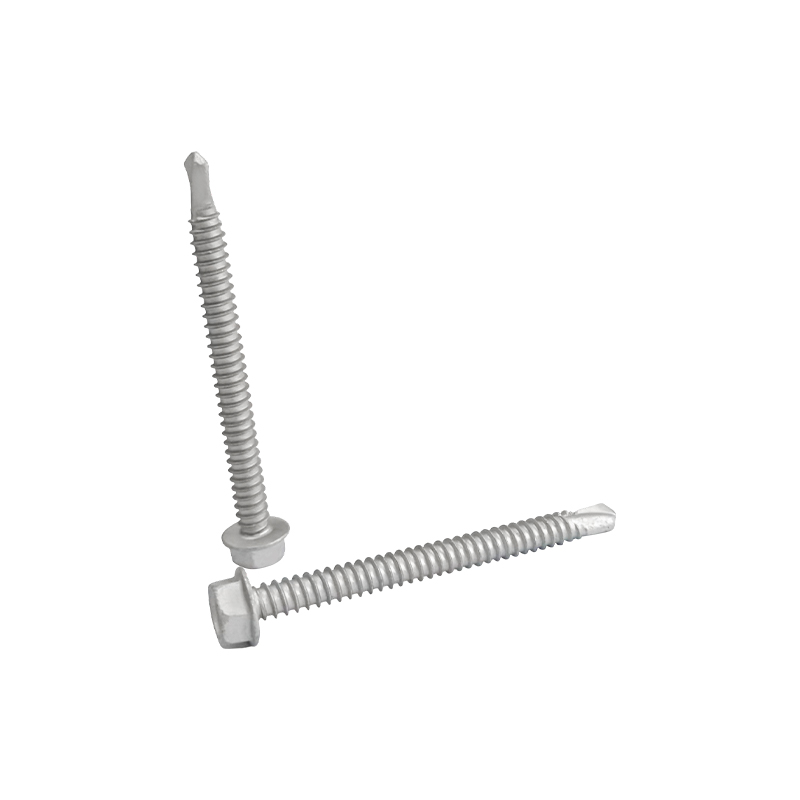
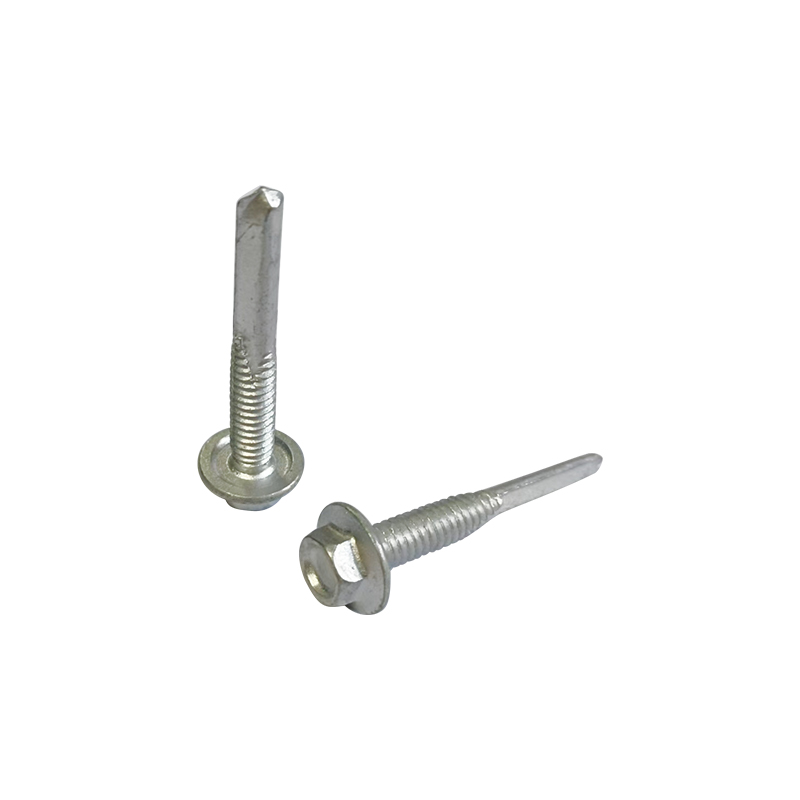
The Hexagonal Flange Self-Drilling Screw is a fastener featuring a hex flange he...
See Details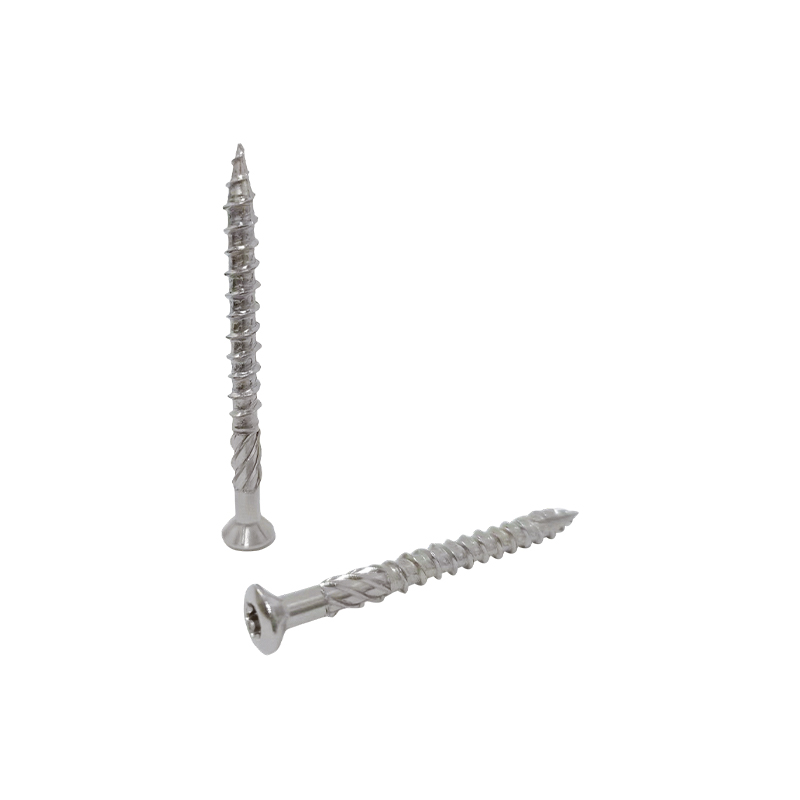
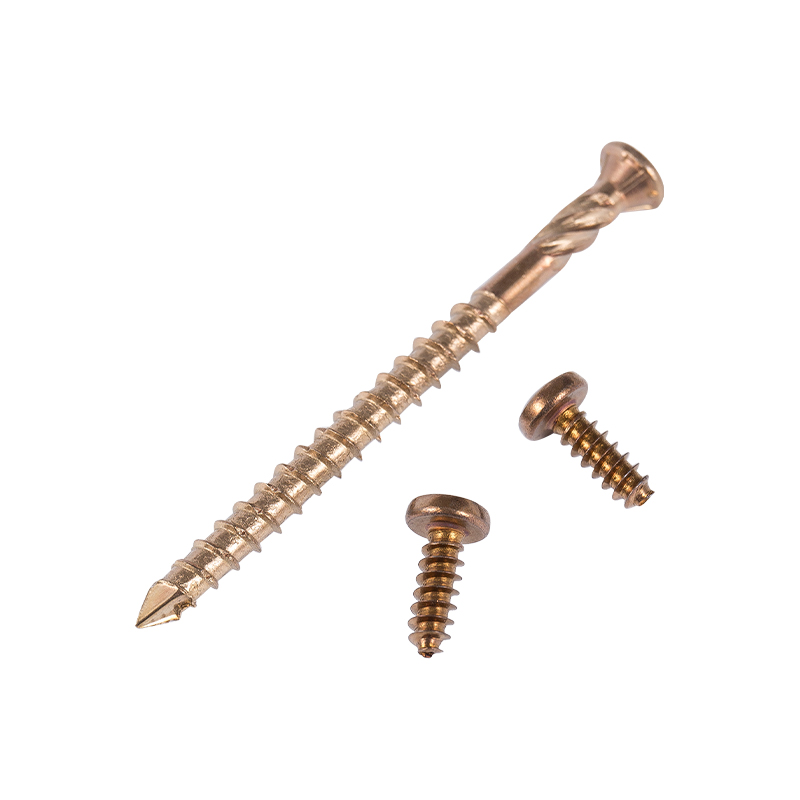
This Semi Countersunk Hexalabular Six-Bevel Rib Chipboard Screw features a speci...
See Details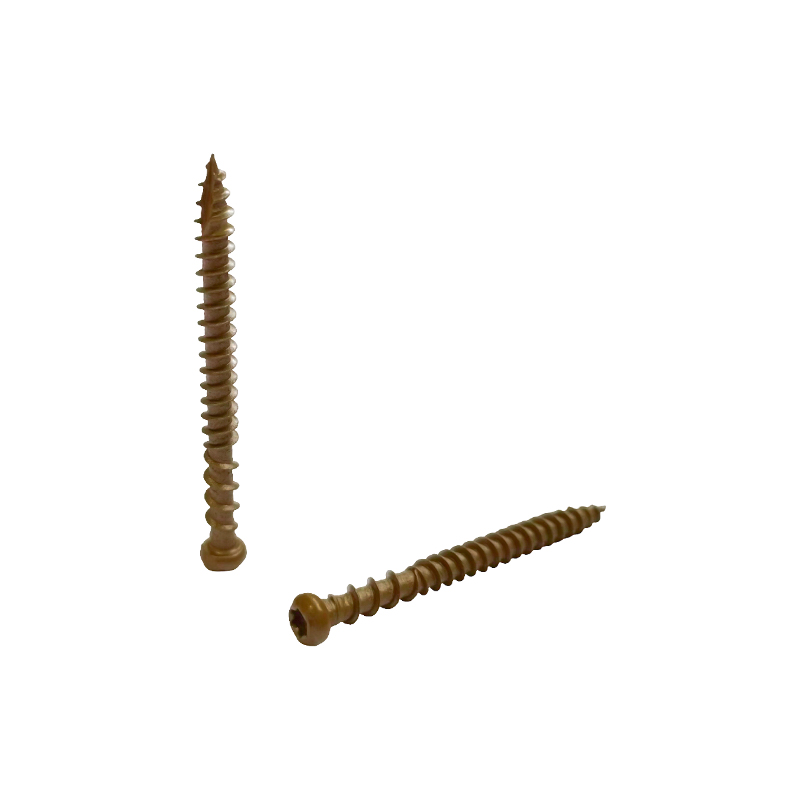
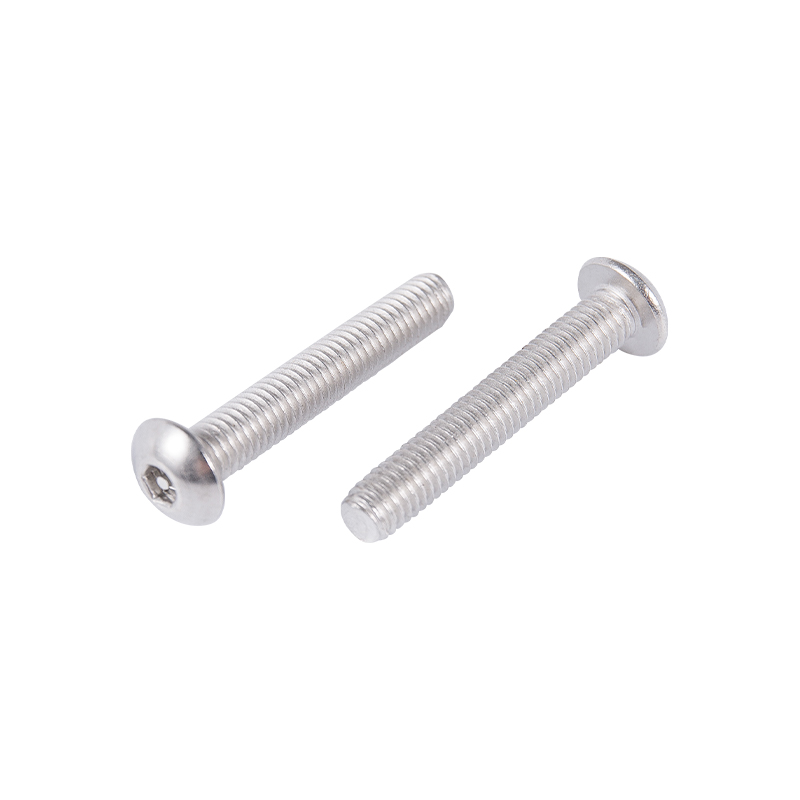
This Round Head Six Lobe Type 17 Self Tapping Screw is manufactured from SUS304 ...
See Details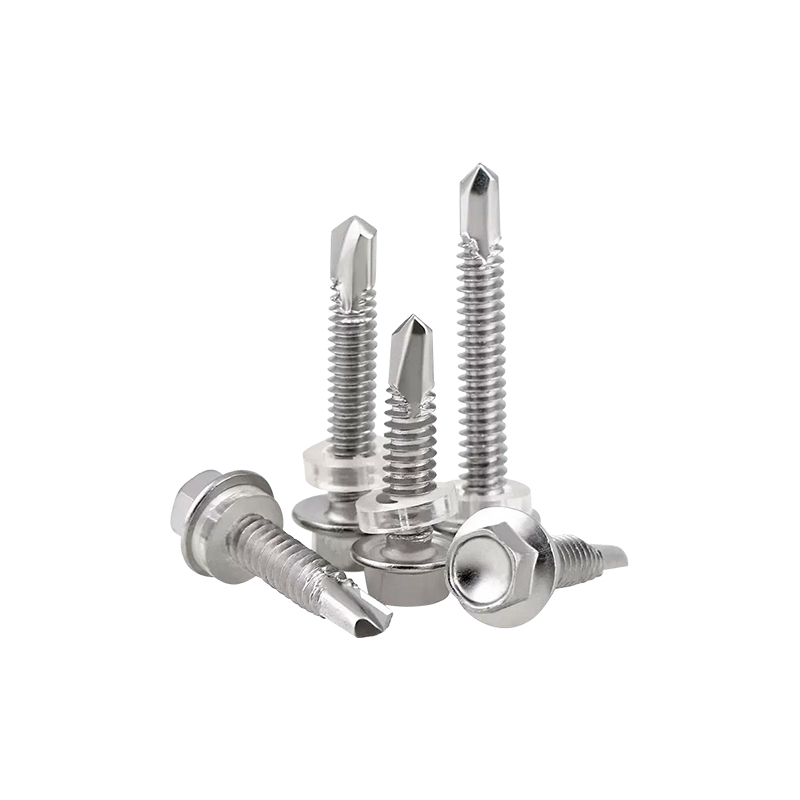
This Hex Flange Head Self Drilling Screw with EPDM Washer offers a thread size r...
See Details+86-13705735391
+86-18868359082
+86-573-83128088
+86-573-83128123
No. 2155, Shuanglong Road, Nanhu District, Jia Xing City, Zhejiang Province
Copyright © Jiaxing Zhongke Metal Technology Co.,Ltd. All Rights Reserved.Custom High Strength Stainless Steel Fasteners Manufacturers Provider