English
 Español
 عربى
عربى


Hexagon Head Sharp Point Self-Tapping Screws
Cat:Self-Tapping Screws
Hexagon head sharp point self-tapping screws are an efficient and convenient fas...
See Details


Content
A stainless steel industrial furnace represents a pinnacle of precision and durability in thermal processing equipment. Unlike traditional furnaces lined with brick or constructed from standard carbon steel, these furnaces utilize stainless steel alloys for their critical hot-zone components, such as the inner chamber, muffles, radiant tubes, and conveyor belts. This material choice is strategic, driven by the demanding requirements of modern manufacturing processes like annealing, brazing, hardening, and tempering, where temperature uniformity, atmosphere purity, and product consistency are paramount. The inherent properties of specific stainless steels—exceptional high-temperature strength, superior resistance to oxidation and carburization, and low contaminant outgassing—make them ideal for creating a controlled, clean, and repeatable thermal environment. This article delves into the engineering principles, diverse applications, and critical selection criteria for these specialized furnaces, addressing key considerations from evaluating a stainless steel industrial furnace manufacturer to understanding the true value behind a stainless steel heat treatment furnace price and the advantages of an energy efficient stainless steel furnace.
The selection of stainless steel for an industrial furnace's hot zone is a fundamental engineering decision with profound implications for performance and product quality. The primary advantage lies in the material's stability under extreme thermal and chemical stress. Grades such as 304 (general purpose), 310 (high temperature resistance), and 316L (improved corrosion resistance) are commonly specified. When exposed to continuous high temperatures, these alloys form a tight, adherent chromium oxide layer that protects the base metal from further oxidation, scaling, and "green rot" carburization. This stability ensures the furnace interior remains dimensionally stable and does not emit scale or contaminants that could spoil sensitive workloads, such as precision components or brightly finished metals. Furthermore, stainless steel's mechanical strength at elevated temperatures allows for the design of thinner, more responsive heating chambers and internal fixtures compared to bulky refractory designs, contributing to faster heat-up cycles and better thermal efficiency. A well-constructed furnace integrates this high-grade hot zone with advanced ceramic fiber insulation, precision heating elements, and sophisticated atmosphere and temperature controls to create a fully optimized system.
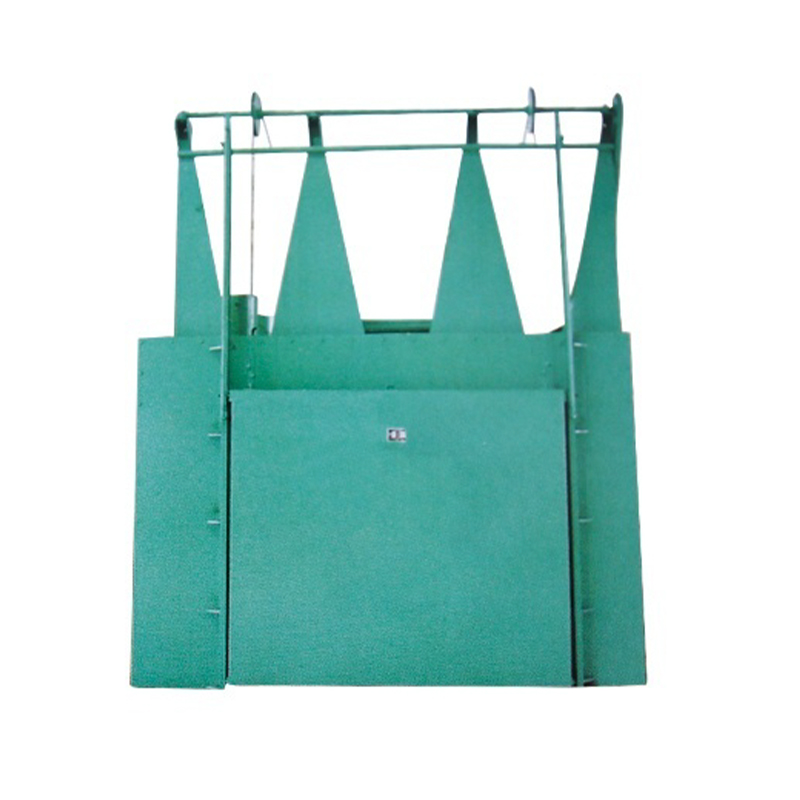
Stainless steel industrial furnaces are engineered in various configurations to serve specific production needs, primarily categorized by their loading method: batch or continuous. Batch furnaces, like box or car-bottom furnaces, process loads in discrete cycles, offering flexibility for low-volume or varied production runs. Continuous furnaces, such as mesh belt, roller hearth, or walking beam designs, provide a constant flow of workpieces through different temperature zones, maximizing throughput for high-volume manufacturing. A quintessential example of a specialized application is the stainless steel tube annealing furnace. This process requires not only precise temperature control but also a perfectly controlled atmosphere—often a hydrogen-nitrogen mix—to achieve bright, oxide-free annealing of tubes and pipes. The furnace must be meticulously sealed, with atmosphere purity and circulation carefully managed to prevent discoloration or embrittlement. Beyond annealing, these furnaces are vital for a full spectrum of heat treatments, including solution treatment for stainless steels, aging of aluminum alloys, and high-temperature brazing of assemblies.
| Furnace Type | Operating Principle | Ideal Application |
| Box / Batch Furnace | Load is placed inside, processed through a complete time-temperature cycle, then removed. | Tool steel hardening, low-volume annealing, R&D, and prototype work. |
| Mesh Belt Conveyor Furnace | Parts are carried on a continuous mesh belt through pre-heat, high-heat, and cooling zones. | High-volume brazing, sintering of metal powders, annealing of small stampings. |
| Roller Hearth Furnace | Heavy or large parts (sheets, plates, long tubes) are transported on powered rollers. | Annealing of stainless steel sheets and coils, glass-to-metal sealing. |
| Walking Beam Furnace | Mechanical beams lift and advance heavy loads in discrete steps through the chamber. | Forging reheating, annealing of large forgings or castings. |
Selecting the right furnace is a capital-intensive decision that requires a thorough technical and commercial evaluation. The process begins with identifying a capable stainless steel industrial furnace manufacturer. Key criteria include the depth of their engineering expertise, their experience with similar applications, the robustness of their quality control during fabrication, and the comprehensiveness of their after-sales service and technical support. While the initial stainless steel heat treatment furnace price is a significant factor, a true analysis must consider the Total Cost of Ownership (TCO). This includes energy consumption, preventative maintenance costs, expected lifetime, and the cost of production downtime. Investing in an energy efficient stainless steel furnace with superior insulation, efficient heating elements, and heat recovery systems can yield substantial savings over a decade of operation, often justifying a higher initial investment. For processes that fall outside standard parameters, a customized stainless steel industrial furnace becomes necessary. Customization can address unique workpiece geometries, specific atmospheric requirements, integration with automated material handling, or exceptional temperature uniformity specifications.
The industry is continuously evolving towards greater efficiency, control, and integration. The push for sustainability is a major driver, accelerating the adoption of energy efficient stainless steel furnace designs. Innovations include advanced vacuum insulation panels, recuperative burners that preheat combustion air with exhaust heat, and sophisticated multi-zone power control systems that minimize electricity usage. Simultaneously, digitalization is transforming furnace operation. Modern control systems are moving beyond simple temperature regulation to offer full connectivity for the Industrial Internet of Things (IIoT). This enables remote monitoring of furnace performance, predictive maintenance alerts based on real-time analysis of heater resistance or atmosphere gas consumption, and seamless integration with Manufacturing Execution Systems (MES) for complete lot traceability and process validation. These trends point towards a future where industrial furnaces are not just tools for applying heat, but intelligent, data-generating nodes within a smart, optimized production ecosystem.
| Trend | Technology / Approach | Benefit |
| Energy Efficiency | High-efficiency heating elements (e.g., SiC, MoSi2), advanced ceramic fiber insulation, heat recovery systems. | Reduces operating costs, lowers carbon footprint, improves process sustainability. |
| Process Control & Data | Multi-zone PID control with adaptive tuning, IoT connectivity, cloud-based data logging and analytics. | Enhances product consistency, enables predictive maintenance, provides auditable process records. |
| Automation Integration | Standardized interfaces for robotic loading/unloading, integration with conveyor lines and PLC networks. | Reduces labor, increases throughput, improves safety by minimizing manual handling in hot areas. |
The choice fundamentally depends on your production volume and workflow. A batch furnace is ideal for lower volumes, varied product mixes, or processes requiring long soak times where flexibility is key. A continuous furnace is designed for high-volume, steady-state production of similar parts, offering superior throughput and often better consistency due to stable thermal conditions. A consultation with a knowledgeable stainless steel industrial furnace manufacturer is recommended to model your specific production needs and calculate the return on investment for each type.
A stainless steel tube annealing furnace for bright annealing requires two critical features beyond precise temperature control. First, it must have a perfectly sealed retort or chamber capable of maintaining a high-purity, oxygen-free atmosphere—typically a hydrogen-nitrogen blend. Second, it requires a rapid cooling section (often water-jacketed) to quench the tubes through the oxidation temperature range quickly, preserving the bright surface finish. The quality of the atmosphere gas and the integrity of the chamber seals are paramount to success.
The stainless steel heat treatment furnace price is influenced by several key factors: Size and Temperature Capability: Larger chambers and higher maximum temperatures increase cost. Material Specifications: The grade and thickness of stainless steel used for the hot zone. Atmosphere System: The complexity of gas injection, purification, and safety systems. Control System Sophistication: From basic controllers to full touchscreen PLCs with data logging. Custom Engineering: Any non-standard design features for a customized stainless steel industrial furnace add engineering time and manufacturing complexity.
Upgrading to an energy efficient stainless steel furnace is the most significant step, but operational practices also matter. Key strategies include: maximizing load density per cycle to reduce the number of heat-ups, performing regular maintenance on door seals and insulation to prevent heat leaks, optimizing setpoints and soak times to avoid unnecessary energy use, and considering off-peak electricity rates for long, slow processes. An energy audit by a furnace specialist can identify the most impactful opportunities for your specific setup.
An industrial furnace is a long-term asset that will require calibration, preventative maintenance, and occasional repairs over a 15-20 year lifespan. A reputable stainless steel industrial furnace manufacturer will provide accessible technical support, a reliable supply of genuine spare parts (especially critical for hot zone components), and trained service engineers. This support minimizes costly downtime, ensures your furnace continues to perform to specification, and protects your initial investment. Always inquire about the service structure and response time commitments during the supplier evaluation phase.
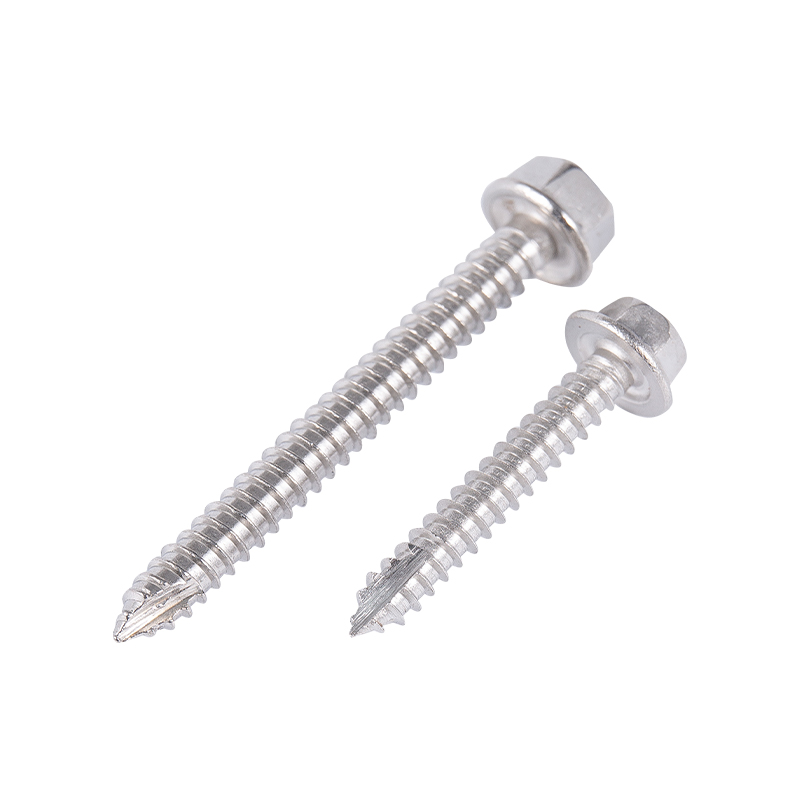
Hexagon head sharp point self-tapping screws are an efficient and convenient fas...
See Details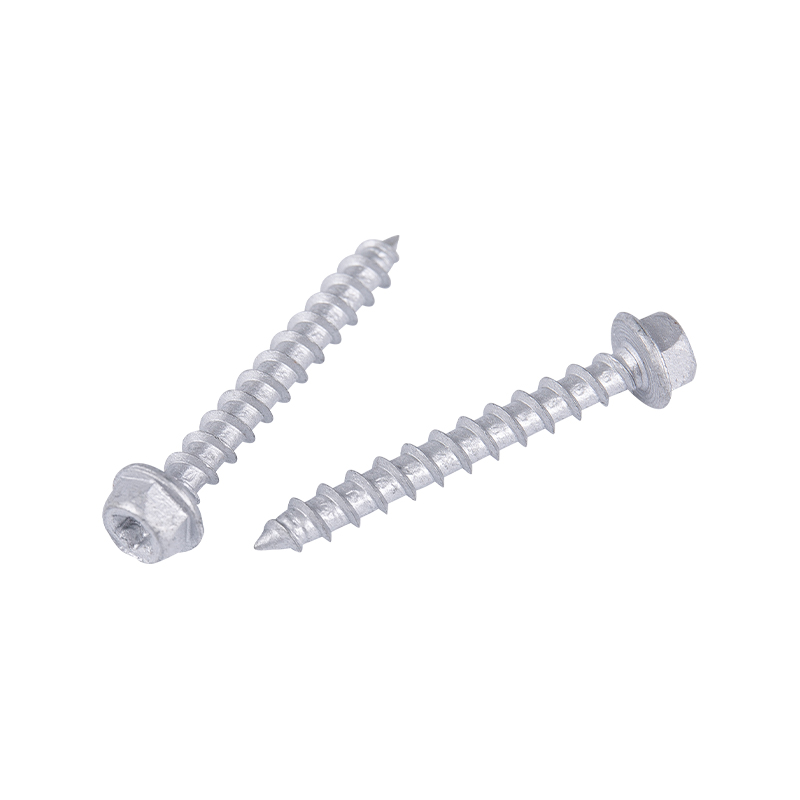
Wood screws are a type of fastener designed specifically for wood and are widely...
See Details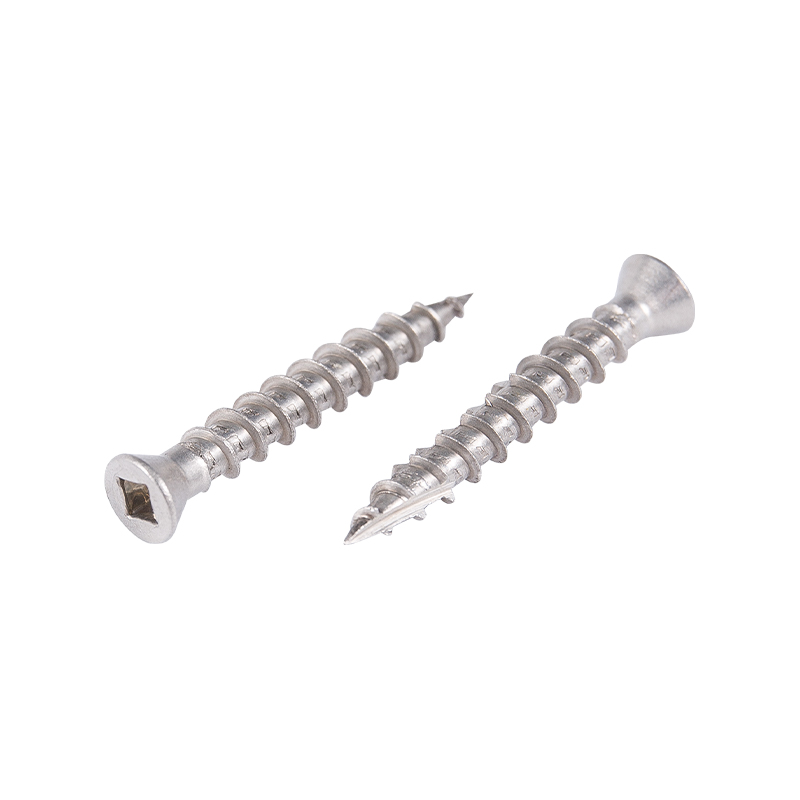
Countersunk, raised-countersunk, trumpet, pan head, round head washer and oval h...
See Details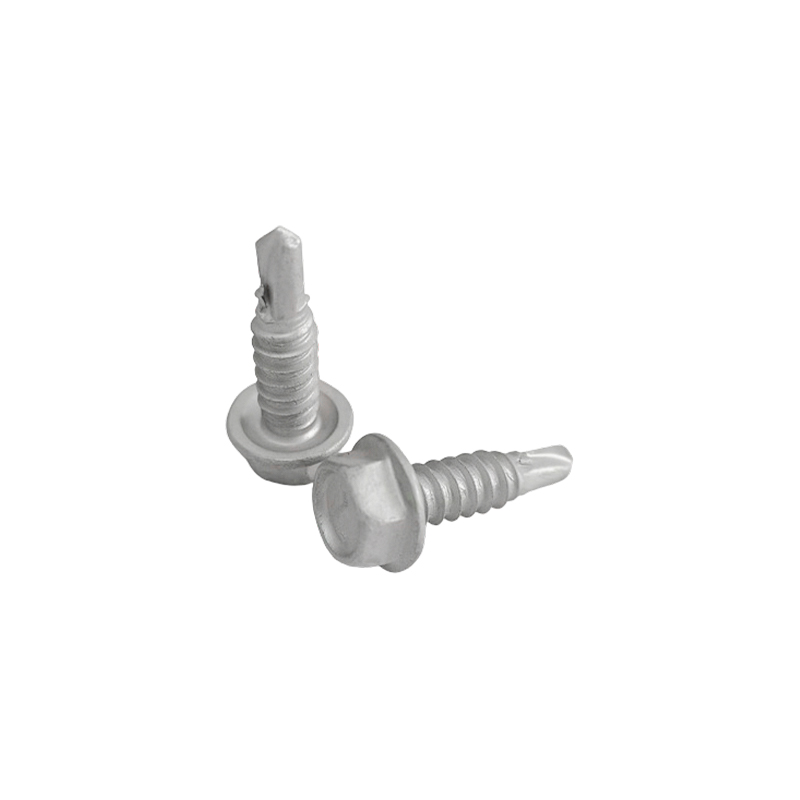
These hexagonal flanged stitching bolts are available in sizes from 1/4 to 14*7/...
See Details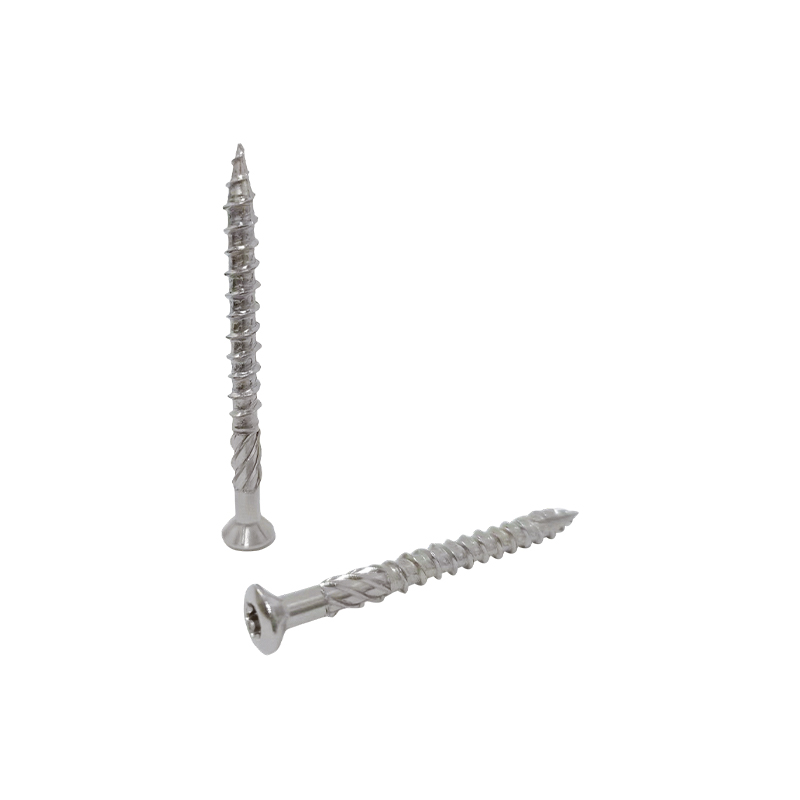
This Semi Countersunk Hexalabular Six-Bevel Rib Chipboard Screw features a speci...
See Details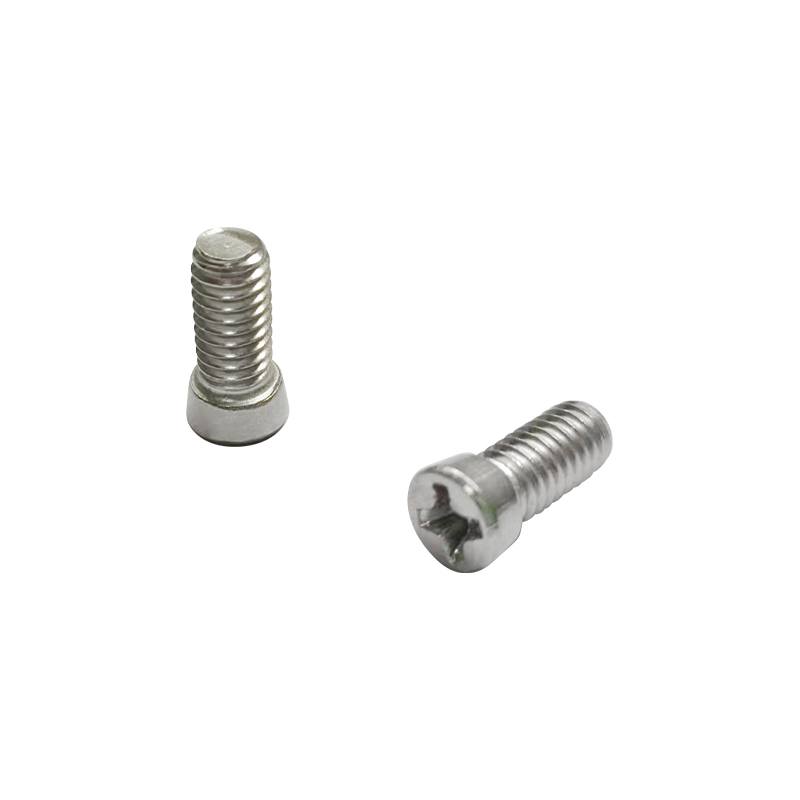
This Cylinder Head Cross Recessed Machine Screw features a specification of M5-0...
See Details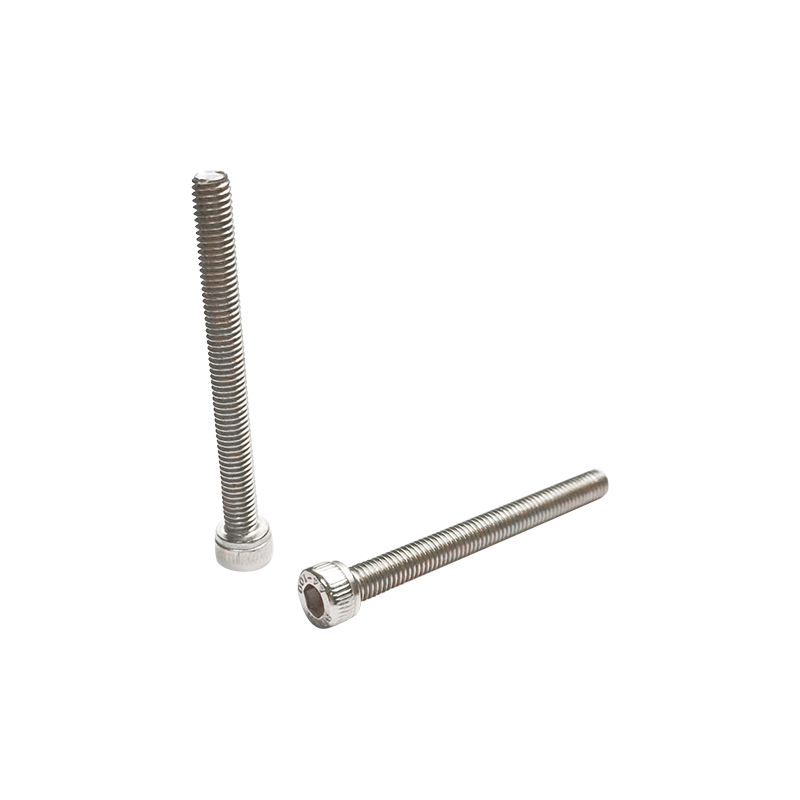
The Socket Cap Head Internal Hexagonal Machine Screw is a threaded fastener char...
See Details+86-13705735391
+86-18868359082
+86-573-83128088
+86-573-83128123
No. 2155, Shuanglong Road, Nanhu District, Jia Xing City, Zhejiang Province
Copyright © Jiaxing Zhongke Metal Technology Co.,Ltd. All Rights Reserved.Custom High Strength Stainless Steel Fasteners Manufacturers Provider