English
 Español
 عربى
عربى


Ordinary nuts Flange nuts Lock nuts
Cat:Nuts
Ordinary nuts, flange nuts and anti-loosening nuts are three common fasteners, e...
See Details


Content
Self-drilling and self-tapping screws are two of the most widely used fasteners in metal construction, HVAC installation, cladding, and light structural assembly. Both types form their own mating threads, which sets them apart from conventional machine screws and bolts. The confusion usually starts when engineers and contractors try to decide which one saves more installation time. The short answer is that a self-tapping screw removes the need for a nut but still requires a pilot hole in metal, while a self-drilling screw combines drilling and tapping in a single pass. This guide breaks down the differences in tip design, thread geometry, and real-world application so you can specify the right fastener with confidence.
Self-tapping screws, also called tapping screws or sheet-metal screws, are designed to cut or form internal threads in an existing pilot hole. They do not carry a drill point, so they cannot create a hole in solid material by themselves. Instead, the sharp, tapered tip and specially shaped threads progressively engage the wall of the pilot hole as the screw is driven, generating the mating thread that holds the joint together.
Based on how they interact with the base material, self-tapping screws fall into three categories:
Because a pilot hole is required, installation takes two steps, but the positioning and final clamp load are highly predictable. This makes self-tapping screws a solid choice for electrical enclosures, automotive trim, furniture, and removable access panels. For more detail on thread types and point selection, see our guide on choosing the right self-tapping screw.
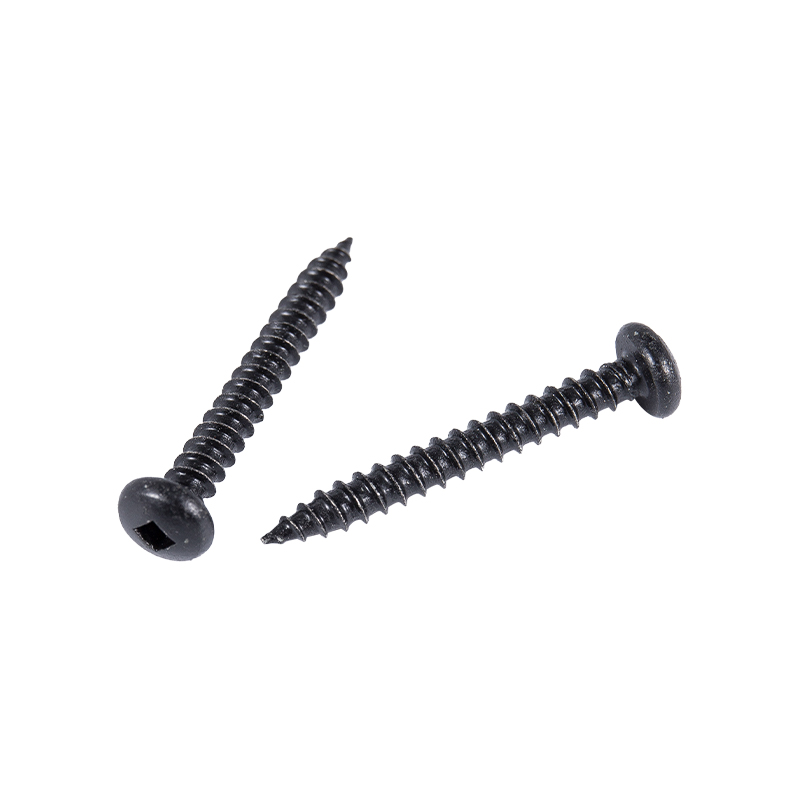 Pan Head Sharp Point Self-Tapping Screws for Versatile FasteningThis screw combines a cross-grooved pan head with a sharp tapered point, allowing quick thread forming without pre-drilling. Available in multiple materials and finishes, it suits construction, furniture, electronics, and automotive applications.View Product →
Self-drilling screws feature a drill-bit-shaped point at the tip. This integrated drill point allows the screw to bore its own pilot hole and tap its own mating threads in a single operation, with no separate pre-drilling step. When the drill point penetrates the material, the threads immediately engage the freshly cut hole and pull the screw firmly into place.
Drill points are identified by number, commonly #2, #3, #4, and #5. Longer points can penetrate thicker stacks, so the total material thickness determines the correct point size. Self-drilling screws are the default choice for metal decking, steel purlins, roof cladding, and structural steel assemblies, where the combination of drilling capability and tap-in-place speed is a major productivity gain. Head options such as hex, hex flange, pan, and countersunk let the same screw family handle both structural and finish-sensitive jobs. To understand how drill-point length affects performance, read our article on what self-drilling screws are and how they work.
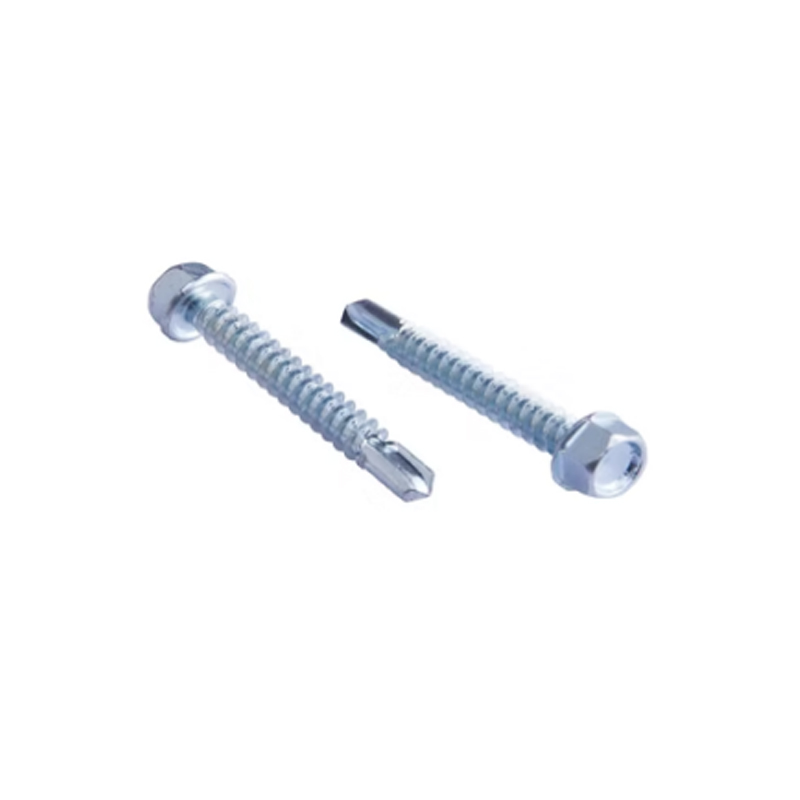 Hexagonal Self-Drilling Screws with Integrated Drill PointThese hex-flange screws drill and tap in one operation, eliminating pilot holes for faster steel-to-steel fastening. Made from stainless steel with corrosion resistance, they are ideal for roofing, photovoltaic brackets, and structural assemblies.View Product →
| Attribute | Self-Tapping Screw | Self-Drilling Screw |
|---|---|---|
| Primary function | Forms or cuts mating threads | Drills pilot hole and forms threads |
| Pilot hole required | Yes, in metal | No |
| Tip design | Tapered point with cutting or forming edges | Drill-bit-style point |
| Typical substrates | Plastic, aluminium, thin steel sheet | Steel, thick sheet, structural sections |
| Installation steps | Pre-drill, then drive | One step |
| Disassembly ease | Easier to remove and re-drive | Possible, but removal is harder after full seating |
The difference matters most in workflow efficiency. In high-volume steel-to-steel fastening, eliminating the pilot-hole step can save several seconds per screw, which translates into significant labour savings over a large roof or framing project.
Thread geometry determines how well a screw performs in a given base material. Two screws with identical diameters and lengths can behave very differently if their thread profiles are not matched to the substrate.
Thread-forming points are blunt and push material out of the way to create a tight, cold-worked thread, which is ideal for ductile materials and joints that need good vibration resistance. Thread-cutting points are sharper and remove a small amount of material, avoiding the high stress that can crack brittle plastics or case-hardened metals. If you are fastening a rigid PVC profile, for example, a thread-cutting screw with a narrow flute will usually seat more cleanly than a thread-forming type.
Coarse-thread screws are better suited to soft substrates such as wood, chipboard, and plastic, where fine threads would strip out under load. Fine-thread screws provide higher pull-out resistance in sheet metal and are the standard for self-drilling screws used in steel cladding. Thread angle and flank shape also control installation torque, which is why head-drive design and thread profile must be considered together.
A self-drilling screw works by cutting steel, so the drill point must be significantly harder than the workpiece. Proper heat treatment gives the tip and threads the hardness to penetrate structural steel without dulling, while the screw core retains enough toughness to handle shear and bending loads without snapping. Case-hardening followed by controlled tempering achieves this balance. A manufacturer with in-house heat treatment capability can maintain tighter hardness consistency across every batch, which directly affects drill performance and field failure rates.
The right choice depends on the substrate, the accessibility of the joint, and how fast the installation needs to be.
A common mistake is driving a self-tapping screw into metal without a pilot hole. The screw may seize before the threads fully engage, wasting the fastener and damaging the component. Self-drilling screws avoid this failure mode entirely because the drill point creates the hole immediately before the thread starts cutting.
Use this practical checklist to narrow down the options:
Stainless steel fasteners are widely specified for corrosive environments because they resist rust at the surface and at the thread root. When you need a combination of washer and screw, a pre-assembled unit with a single or conjoined washer simplifies installation and reduces part count on site.
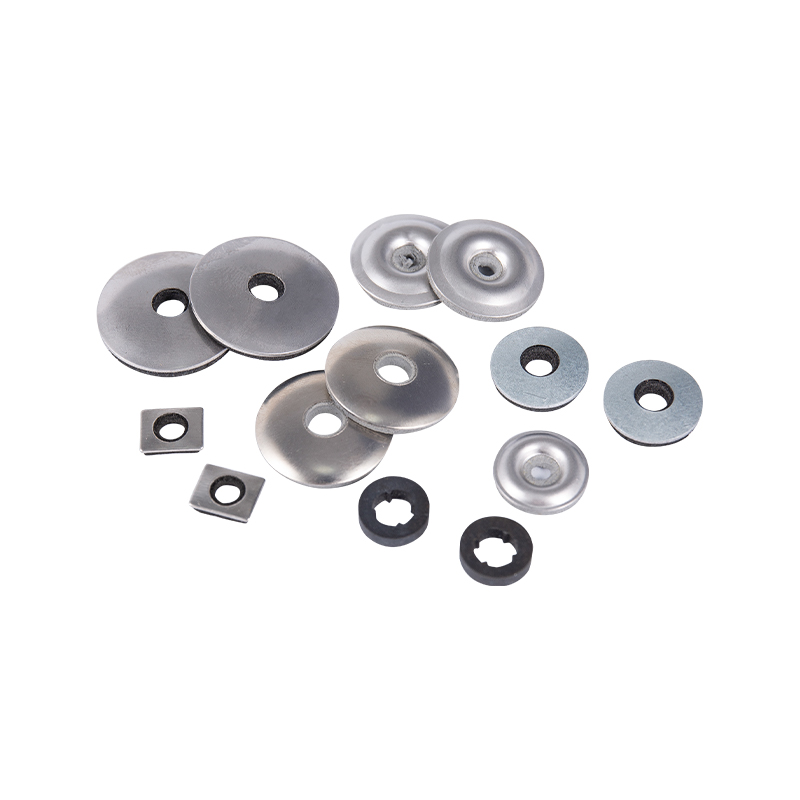 Single and Conjoined Washer Assemblies for Waterproof SealingPre-assembled metal and rubber washers provide a watertight seal around fasteners, preventing moisture ingress in critical applications. Available in various sizes and materials, these units simplify installation and reduce part count on site.View Product →
Only in very thin, soft sheet metal, and even then the result is unreliable. A self-tapping screw is designed to tap threads, not to drill a hole. For consistent quality in metal joints, always provide a pilot hole before driving a self-tapping screw.
They will drill and drive into wood, but a dedicated wood screw or chipboard screw with a sharp point and coarse thread will generally hold better and cost less. Self-drilling screws are optimised for metal-to-metal joints, not soft fibrous materials.
Thread-forming screws displace material to create a tight thread, which suits ductile substrates such as aluminium and plastic. Thread-cutting screws remove material with small cutting edges, which suits harder materials and reduces the risk of cracking brittle components.
Match the point number to the combined thickness of the materials being fastened. A #2 point works for light-gauge sheet metal up to roughly 2 mm, while #4 and #5 points suit thicker structural stacks. If the drill point is too short, the screw stalls before the threads engage; if it is too long, the point may drift during installation.
Both fastener families have a clear place in metalwork and general assembly. The decision comes down to substrate hardness, the presence of a pilot hole, and installation speed. Working with a manufacturer that controls the full process, from cold heading and thread rolling through heat treatment and surface finishing, makes it easier to get consistent on-site performance. When corrosion resistance is a priority, stainless steel options in SUS304 or SUS316 deserve serious consideration; just confirm that the heat treatment specification matches the hardness of the materials you intend to join.
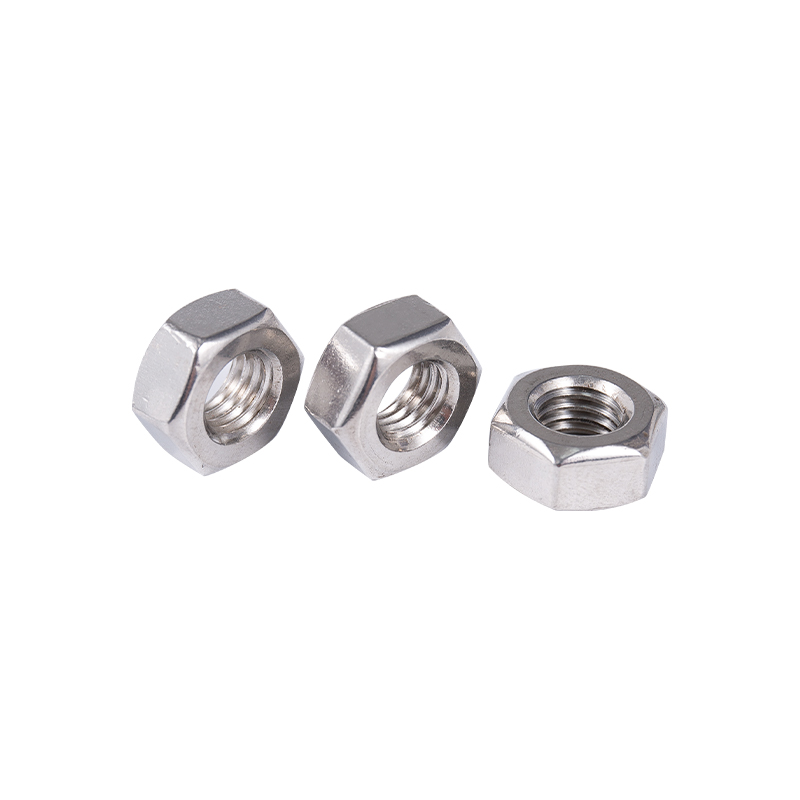
Ordinary nuts, flange nuts and anti-loosening nuts are three common fasteners, e...
See Details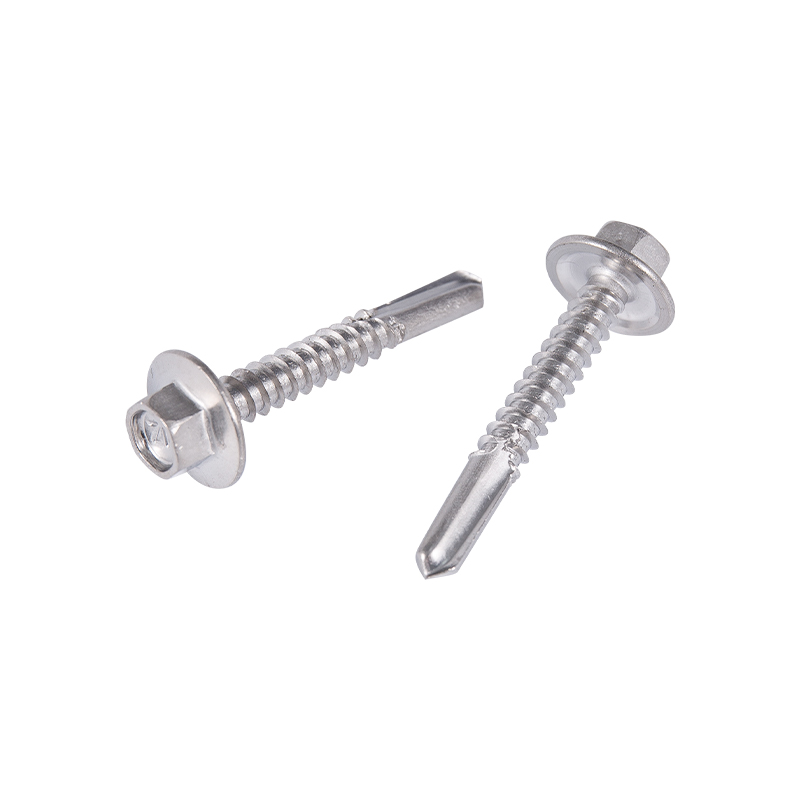
Hexagonal self-drilling screws are an efficient and convenient fastener. This ty...
See Details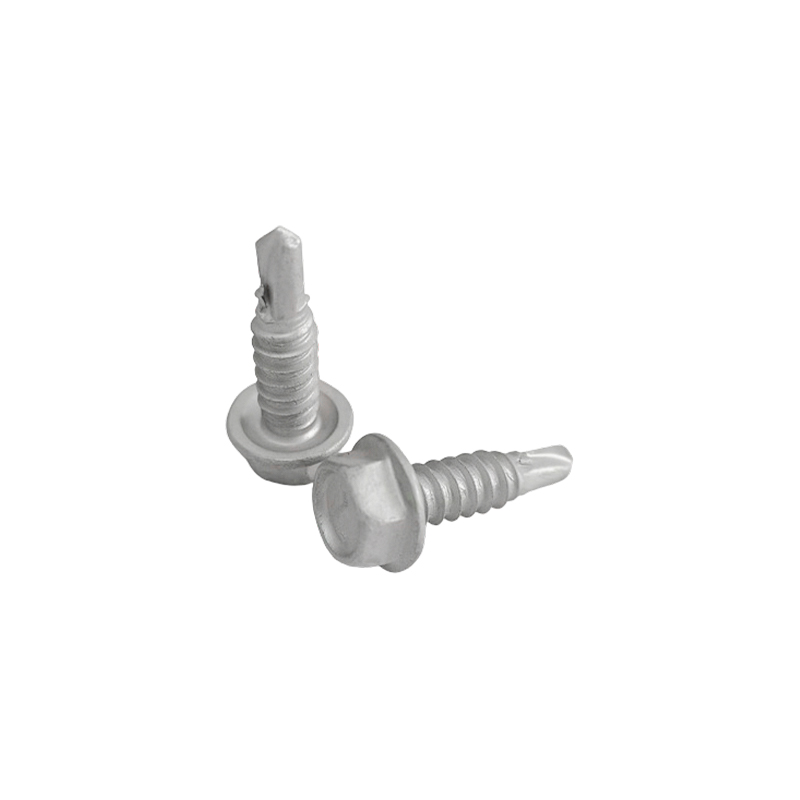
These hexagonal flanged stitching bolts are available in sizes from 1/4 to 14*7/...
See Details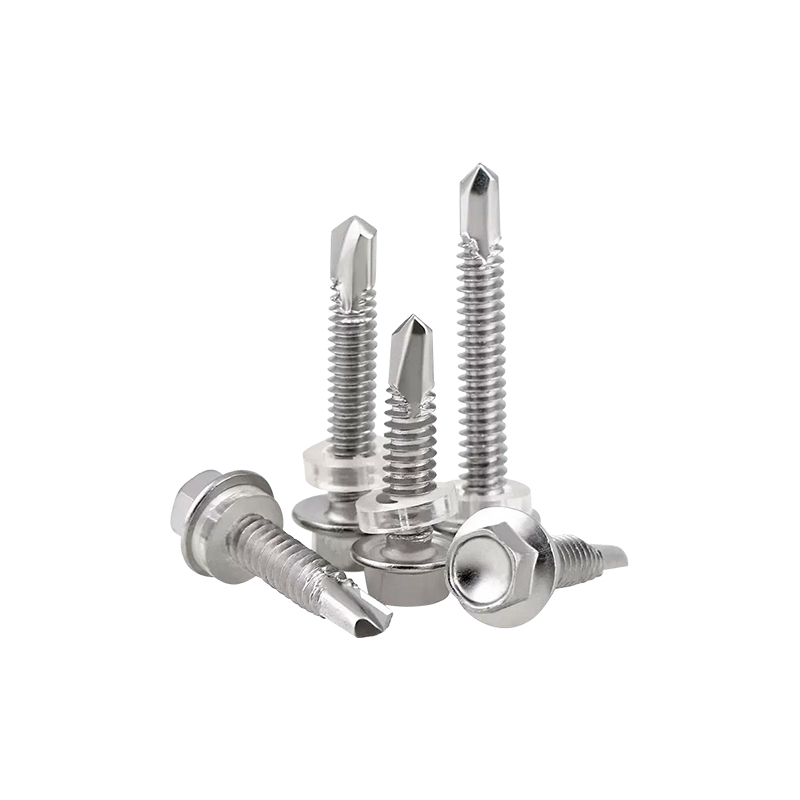
This Hex Flange Head Self Drilling Screw with EPDM Washer offers a thread size r...
See Details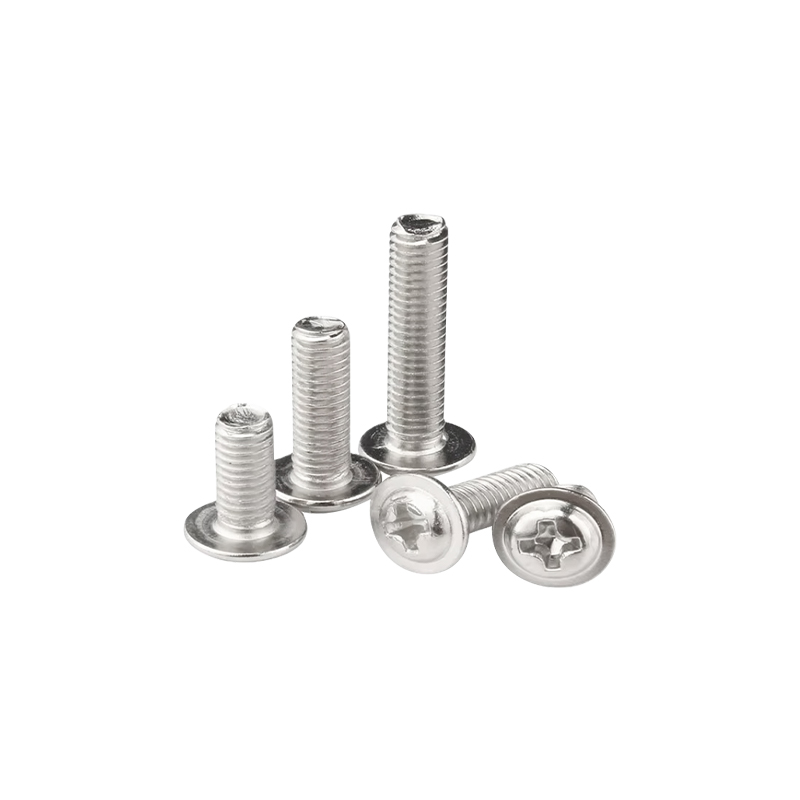
The Round Washer Head Phillips Machine Screw is a threaded fastener characterize...
See Details+86-13705735391
+86-18868359082
+86-573-83128088
+86-573-83128123
No. 2155, Shuanglong Road, Nanhu District, Jia Xing City, Zhejiang Province
Copyright © Jiaxing Zhongke Metal Technology Co.,Ltd. All Rights Reserved.Custom High Strength Stainless Steel Fasteners Manufacturers Provider